Hospitals and medical facilities operate in environments where cleanliness directly impacts patient safety, staff performance, and overall trust in care. Surfaces that are touched repeatedly throughout the day can quickly accumulate contaminants if not properly disinfected. That is why many cleaning facilities in Kansas City prioritize high-touch surface cleaning in hospitals, which plays a critical role in maintaining safe and compliant healthcare environments, especially in high-traffic medical spaces.
So what makes these surfaces important is their constant exposure to contact, and professional cleaning services help reduce risk in hospitals and clinics through structured and consistent sanitation practices. Let’s examine this in more detail.
High-Touch Areas And Consistent Care
High-touch surface cleaning in hospitals is mandatory because surfaces in medical environments are used constantly by staff, patients, and visitors. Beds and rails, door handles, call buttons, and medical carts are among the most frequently contacted areas. Without medical cleaning services, these points can quickly become sources of cross-contamination. As a result, bacteria and other pathogens can transfer easily from one surface to another, especially in fast-paced hospitals where patient turnover is high, and cleaning gaps may occur between procedures or shifts.
This is why many facilities that use medical cleaning services understand that consistent disinfection helps maintain compliance standards while supporting safer patient outcomes. Professional cleaning teams follow protocols such as floor cleaning that focus on regularly sanitizing high-touch areas, reducing the risk of cross-contamination in patient rooms, treatment areas, and shared equipment to help create a cleaner, more controlled setting where safety and infection prevention remain a priority.
Critical Areas That Require Priority Cleaning
Every healthcare facility has different layouts and patient volumes, but certain surfaces always require extra attention. Patient beds and rails, wheelchairs and transport equipment, nurses’ stations and counters, exam room tables and chairs, waiting room seating and check-in desks, along with shared electronic devices and touchscreens, all fall into this category due to frequent contact throughout the day.
This is where high-touch surface cleaning in hospitals becomes essential for infection control. When paired with broader services like hospital cleaning, medical facilities can ensure both visible cleanliness and deep sanitation across all critical zones by combining routine surface disinfection with systematic cleaning of patient rooms and equipment. This layered approach ensures that not only are surfaces visibly clean, but also that hidden contaminants are addressed through consistent protocols.
Impact on Hygiene and Infection Control
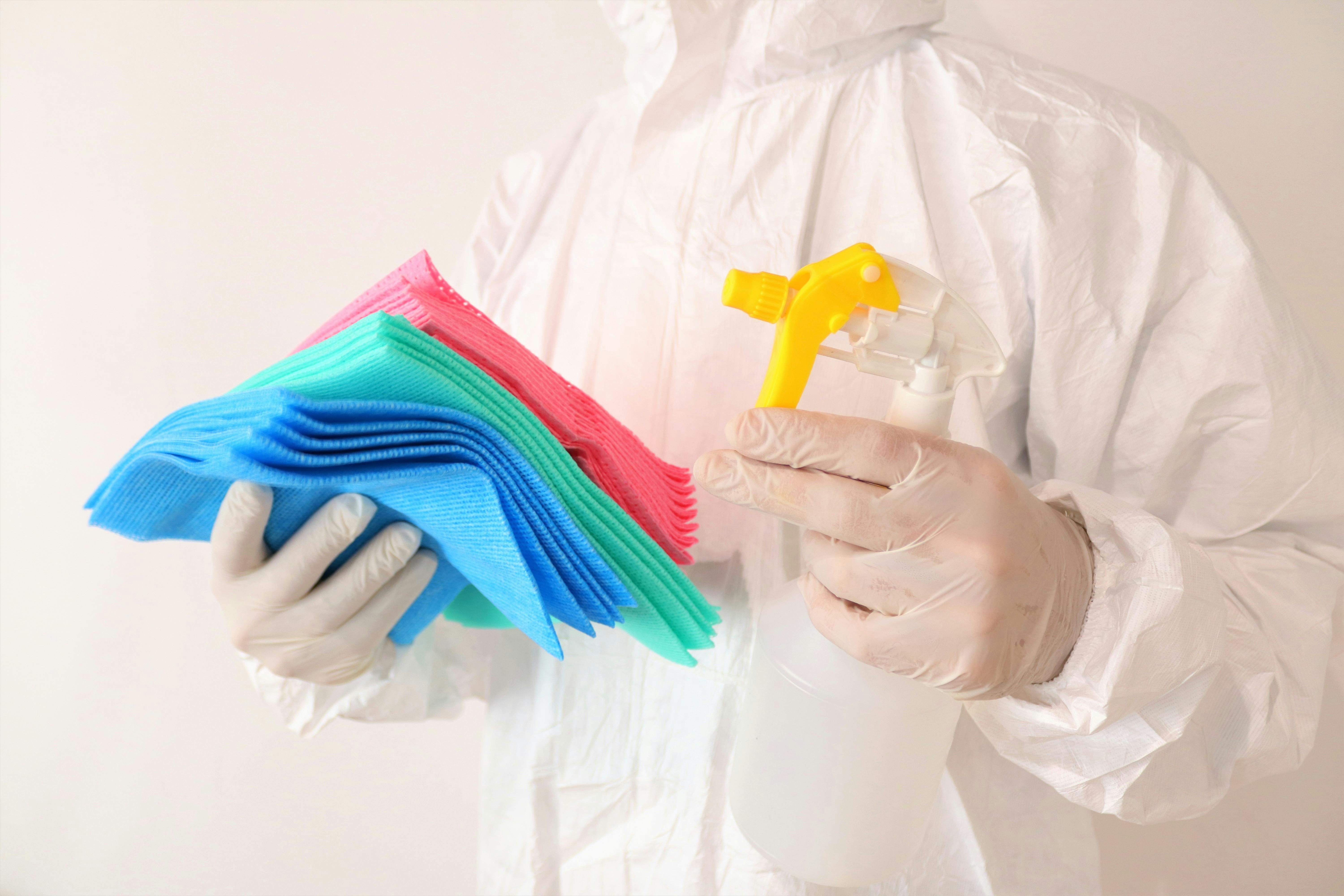
When high-touch surfaces are not maintained through regular and routine-based cleaning, healthcare environments can gradually lose the level of hygiene control required for safe daily operations. Any lapse in sanitation allows contaminants to linger longer than they should, which increases the chance of microbes persisting on shared surfaces and moving unintentionally through routine patient care activities in rooms, corridors, and treatment spaces.
This is why many healthcare operations rely on providers offering janitorial and commercial cleaning services, as these services help maintain disciplined cleaning cycles and support stronger infection control across all patient-facing and shared environments.
Improving Infection Control with Extra Hands Services
Extra Hands Services provides customized commercial cleaning programs designed for demanding environments. Their team supports medical facilities across Kansas City, with detailed janitorial care, routine sanitation, and specialized cleaning services tailored towards high-touch surface cleaning in hospitals. Contact us today to help maintain safer, cleaner, and more professional spaces for staff and patients alike.