The benefits along the way:


Hospitals and clinics are meant to heal, not harm. Yet poor cleaning practices often turn medical spaces into breeding grounds for infection. These infections not only prolong hospital stays but also add billions of dollars in extra medical costs each year. For facilities in Kansas City, overlooking proper medical cleaning

Manufacturing plants run on tight schedules. Yet dirt, dust, and spills can bring production to a halt. Poor housekeeping in manufacturing facilities leads to thousands of preventable accidents each year. Add to that the downtime from equipment breakdowns caused by dust buildup, and the costs add up fast. For Kansas

Distribution centers never stop moving. Forklifts race between aisles. Workers handle thousands of packages every shift. Heavy pallets drag across the floors. With this level of activity, the condition of the floor is more than a matter of appearance—it is about safety and productivity. Damaged or dirty floors also cause
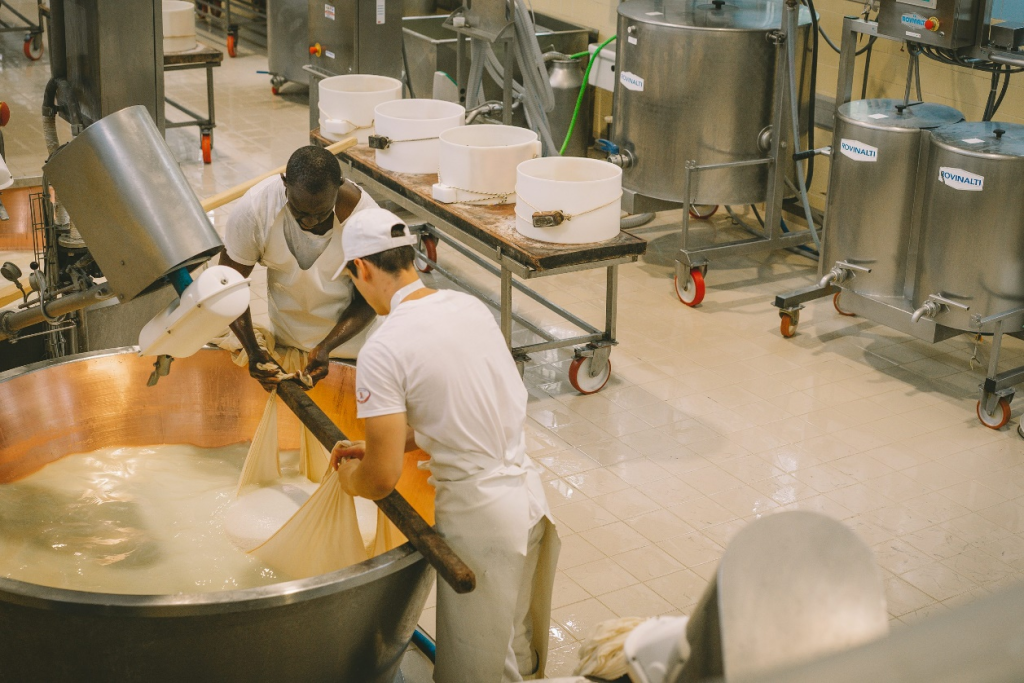
Food plants run on precision and safety. Yet even one small slip in hygiene can cost millions. In fact, reports state that 1 in 10 people get sick every year from contaminated food. For manufacturers, this is more than a public health issue—it’s a direct threat to reputation, compliance, and
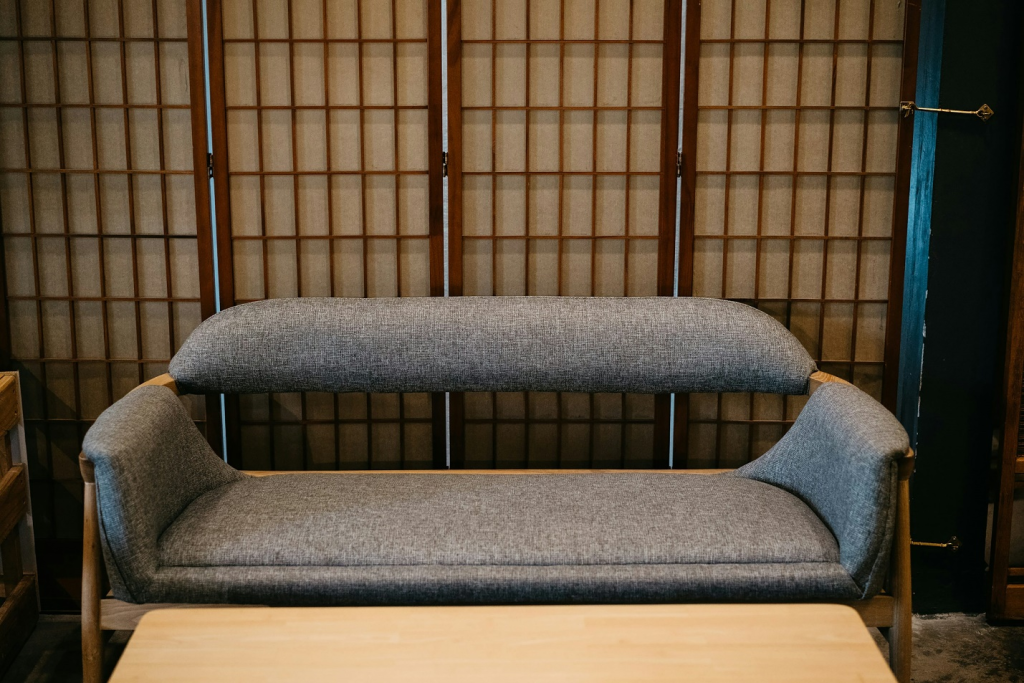
When patients step into a hospital, they expect safety, not hidden risks. Yet, the very chairs and sofas they sit on may hold unseen dangers. Studies show that bacteria and viruses can survive on fabric for hours and sometimes even days. Upholstered furniture in waiting rooms and patient care areas

When a patient walks into a clinic, their first impression is not the doctor or the treatment. It’s the environment. According to the CDC, healthcare-associated infections (HAIs) affect about 1 in 31 hospital patients every day in the U.S. While clinics are smaller than hospitals, the risk remains high. Germs
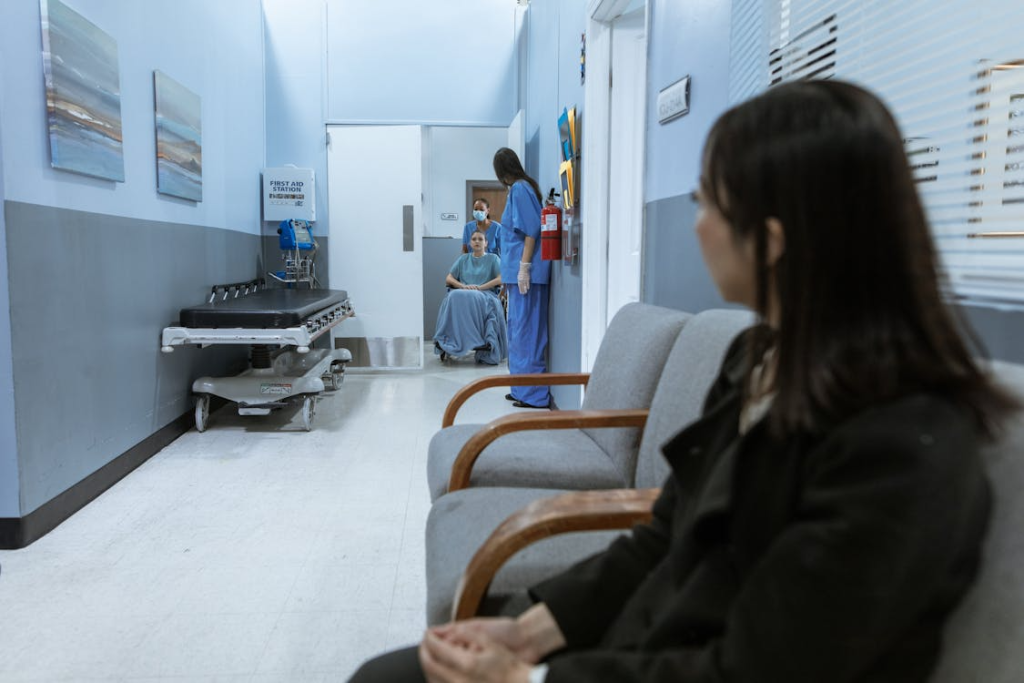
Every surface in a clinic tells a story. Unfortunately, many of those stories involve germs. A lot of infections spread through hands touching contaminated surfaces. One contaminated chair armrest, restroom handle, or exam table can spread illness to dozens of people in a single day. This is where daily clinic
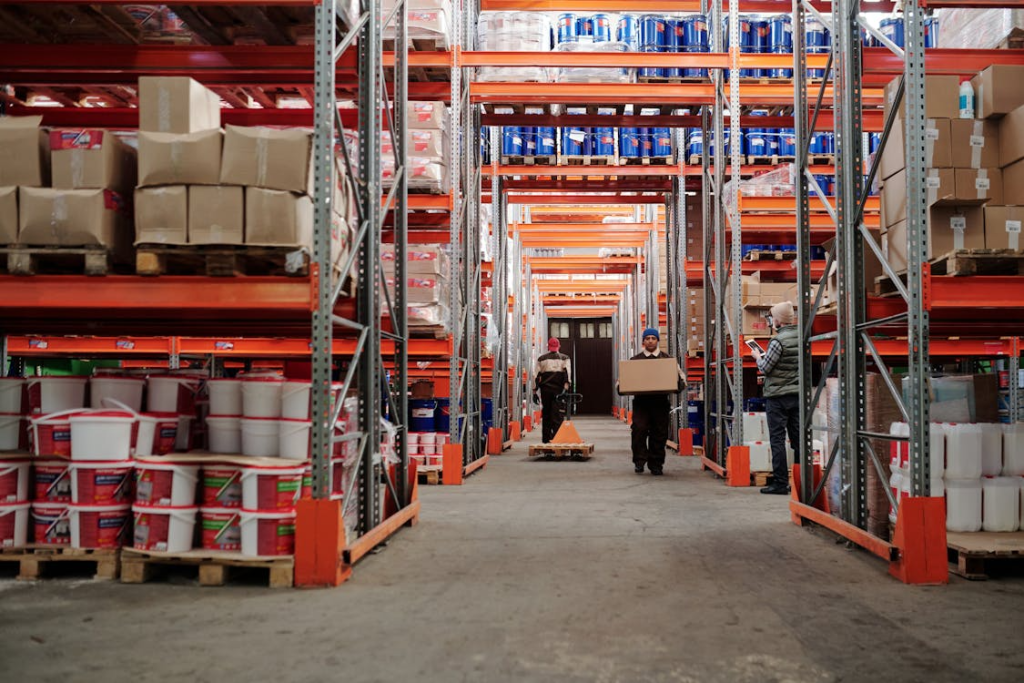
A supply chain moves fast. But what happens when dust, spills, and clutter slow it down? The truth is simple: dirty distribution centers cost time and money. According to the Occupational Safety and Health Administration (OSHA), slips, trips, and falls are a leading cause of workplace injuries in warehouses and

Regular Janitorial cleaning isn’t enough for clinics.
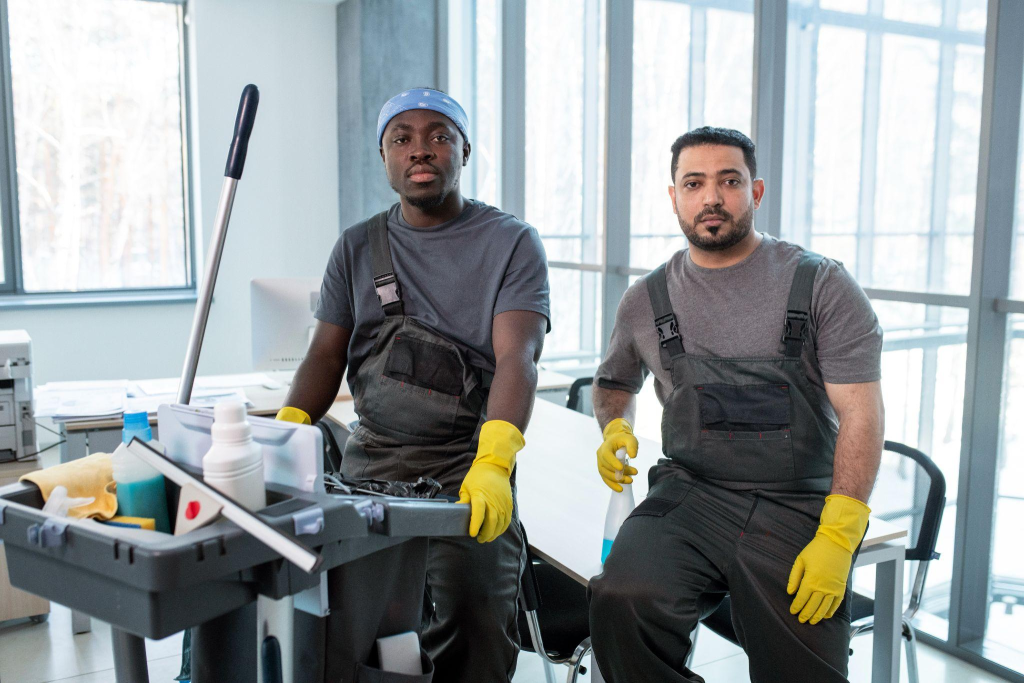
Workplace safety doesn’t only rely on proper training and equipment—it also depends on how clean and well-maintained the environment is. Industrial cleaning for workplace safety plays a critical role in reducing hazards, preventing contamination, and keeping operations compliant with regulations. From warehouses to healthcare facilities, a clean workplace is a
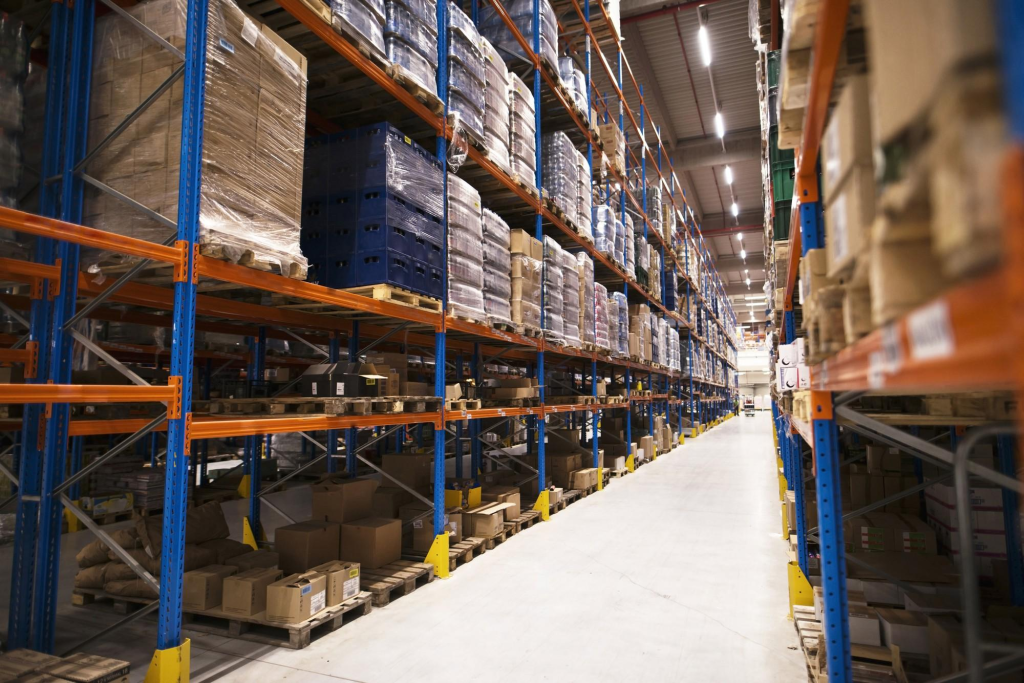
Why Cutting Corners Creates Bigger Problems Neglecting distribution center cleaning often seems like a way to save time or money, but the hidden costs quickly outweigh any short-term savings. When dust, dirt, and spills build up in high-traffic areas, it doesn’t just create an unsightly environment—it puts equipment, inventory, and